










































Why Speaking Practice Is the Real Key to Fluency
Many students know grammar, understand vocabulary, and even write well — but still freeze when it’s time to speak.
Why? Because real fluency starts with real speaking practice, not silent study.
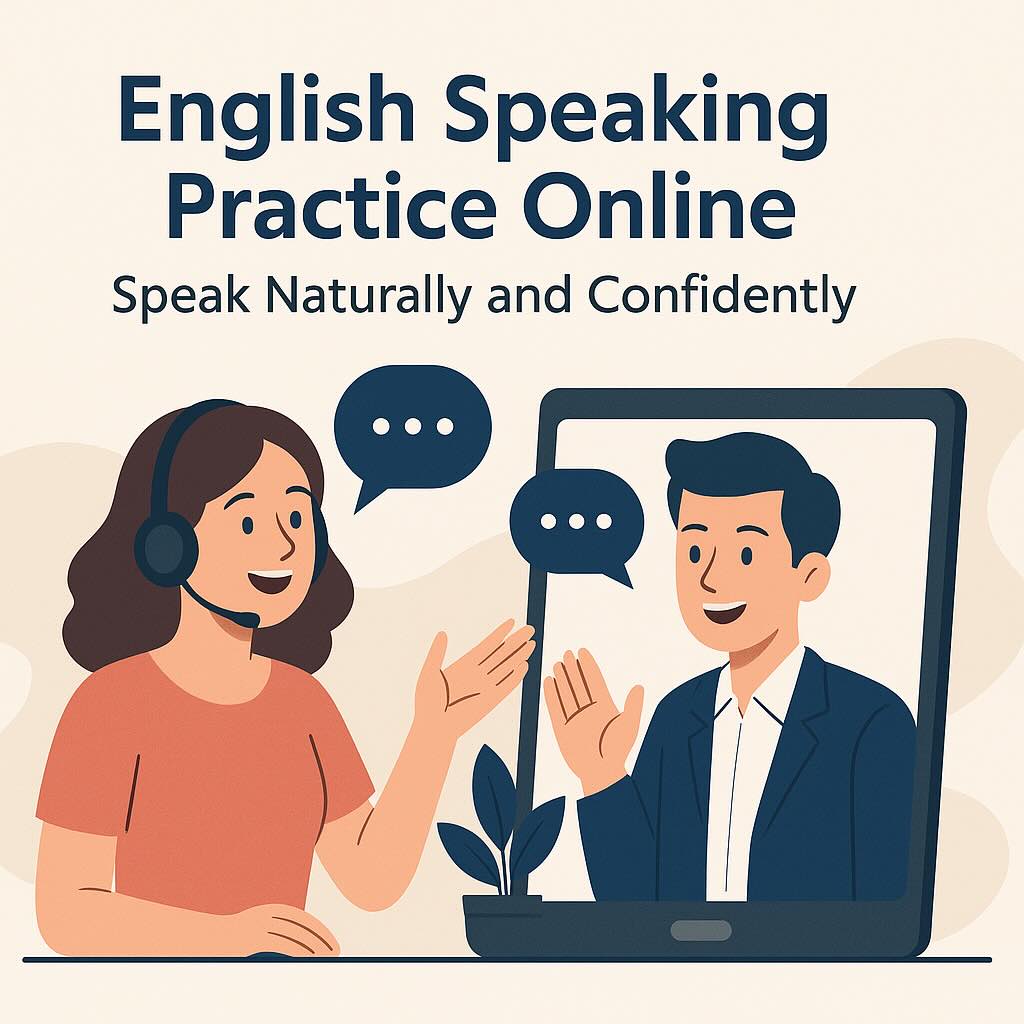
That’s why English Speaking Practice Online has become one of the most searched phrases in the world.
People don’t want more exercises — they want confidence, connection, and conversation.
At Levitin Language School, we help you move from “I understand English” to “I speak English naturally.”
What English Speaking Practice Online Really Means
Online speaking practice is not just chatting — it’s guided conversation with purpose.
Each session focuses on building confidence, fluency, and clarity, using methods that truly work.
Your tutor helps you:
- Overcome hesitation and “blank moments”
- Learn natural sentence patterns and transitions
- Improve pronunciation and rhythm
- Use grammar naturally while speaking
- Think directly in English, not translate
Every lesson includes real communication, not repetition.
Why Online Practice Works Better Than Self-Study
1. Real Tutors, Real Interaction
Your speaking improves only through conversation.
With your private online tutor, you get instant feedback and correction — just like in a live classroom.
👉 Private Tutor Online — Why Learning One-on-One Works Best
2. Focus on Natural Communication
We don’t teach phrases to memorize — we teach how to build your own sentences with meaning.
Our tutors guide you through realistic dialogues, interviews, and daily conversations.
Explore:
- Learn English Online
- Business English Online — Communicate Effectively in the Workplace
- IELTS Online Preparation with Tutor — Real Practice That Works
3. Learn to Speak Naturally and Professionally
Whether you’re preparing for a job interview, a university presentation, or international meetings,
your lessons will be tailored to real-life communication — not artificial dialogues.
Our goal is not just to make you sound fluent —
but to make you sound real.
How We Build Confidence Step by Step
- Warm-up talk — natural conversation to activate your thinking in English.
- Focus task — one topic or function (e.g., agreeing, explaining, describing).
- Correction stage — gentle feedback on pronunciation, word choice, or logic.
- Follow-up task — expand ideas, defend opinions, and use new expressions naturally.
This approach works equally well for beginners and advanced learners — because fluency is built through clarity, not speed.
Author’s Insight
“Fluency is not about knowing all the words — it’s about trusting yourself while speaking.”
— Tymur Levitin
I am Tymur Levitin, founder and lead tutor at Levitin Language School.
With over 22 years of experience teaching English and German, I’ve helped students from 20+ countries speak freely, think clearly, and rediscover language as logic — not memorization.
👉 Visit My tutor page
Related Articles
- Best Online English Courses — How to Choose the Right One
- Business English Online — Communicate Effectively in the Workplace
- Best Online Language Courses — How to Learn Any Language Effectively
- Private Tutor Online — Why Learning One-on-One Works Best
© Tymur Levitin — Founder, Director & Lead Tutor at Levitin Language School
(also known as Start Language School by Tymur Levitin)