














Language. Identity. Choice. Meaning.
👉 Choose your language
One Creamy Word, Two Countries
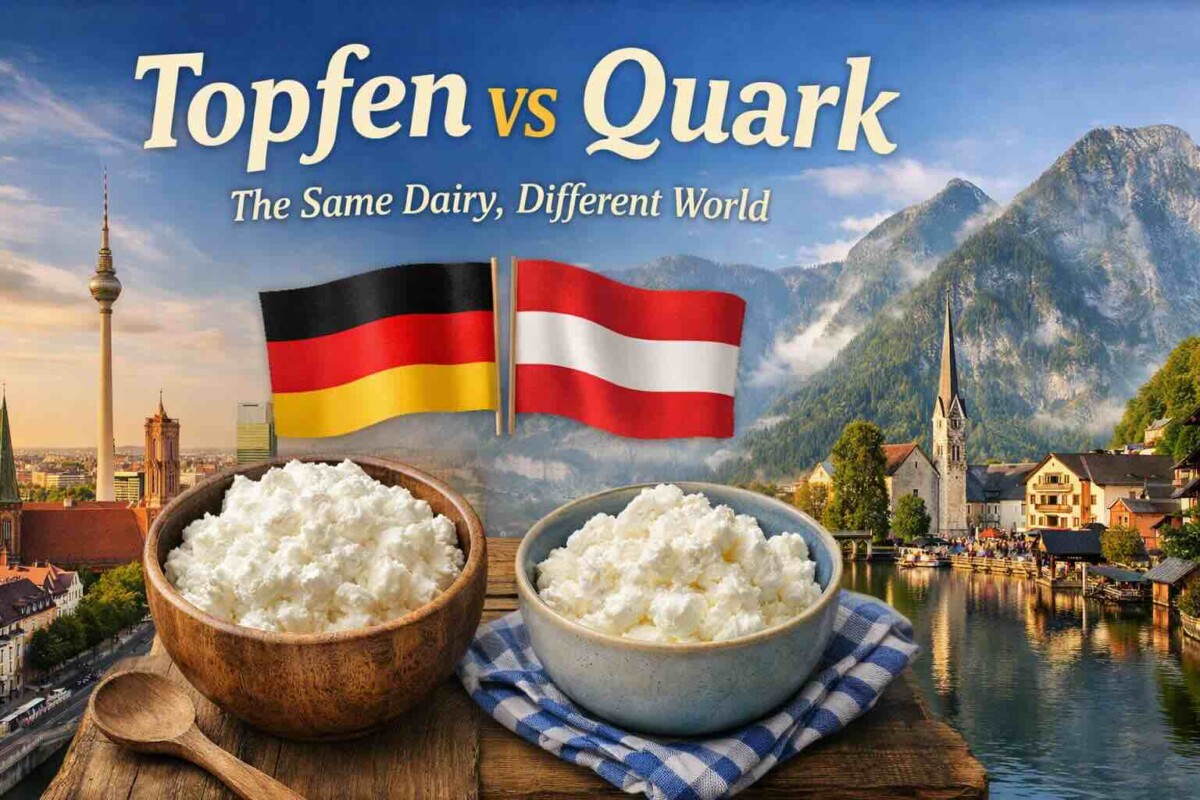
If you order Quark in Berlin, you’ll get something soft, white, and slightly sour.
If you ask for Topfen in Vienna, you’ll get exactly the same thing — but sound like a local.
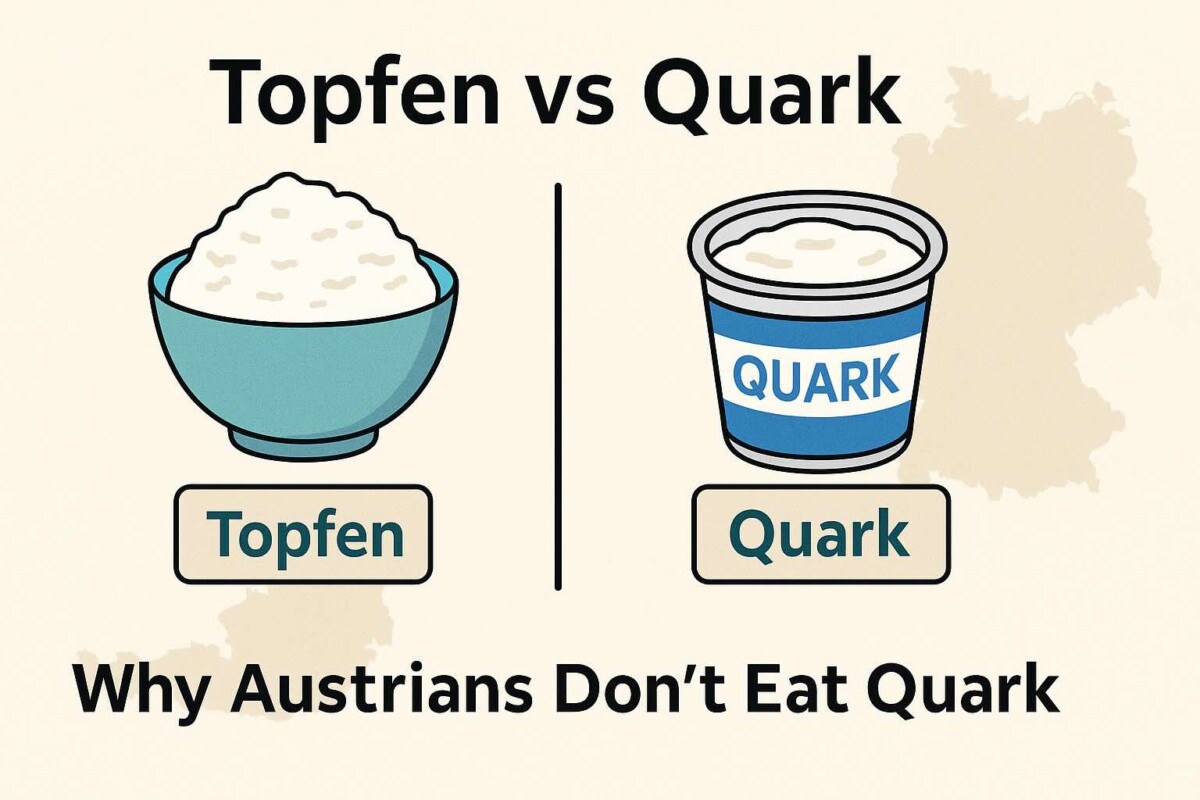
Same dairy, same taste — but two completely different words.
🌍 This article is available in 4 full language versions
You are currently reading the English original.
This research is published as four independent author editions — not translations — because language meaning changes across cultures.
Read the version that matches your linguistic background:
🇬🇧 English — original article
🇩🇪 Deutsch — https://timurlevitin.blogspot.com/2026/02/topfen-oder-quark-dasselbe-lebensmittel.html
🇺🇦 Українська — https://timurlevitin.blogspot.com/2026/02/topfen-quark.html
🇷🇺 Русский — https://timurlevitin.blogspot.com/2026/02/topfen-quark_18.html
🎧 Short video explanations (4 languages)
Each language has its own short video summary explaining the cultural difference:
▶ English short explanation
▶ Deutsche Kurzversion
▶ Українське коротке пояснення
▶ Короткое объяснение на русском
Full linguistic explanation is in the article — videos are only an introduction.
📺 Full Linguistic Lecture
This topic also has a full video explanation.
Unlike the short videos, this is not a vocabulary lesson.
It explains why native speakers instantly recognize whether you belong to a region — even when your German is grammatically correct.
The lecture connects pronunciation, vocabulary choice, and cultural identity in German-speaking countries.
▶ Watch the full lecture here:
https://levitinlanguageschool.com/videos/
You can read the article first and then watch the lecture, or start with the video and return to the text — both are designed to complement each other.
Why the Difference?
- Quark comes from Slavic roots (like Russian творог, Polish twaróg), meaning “curdled milk.”
- Topfen comes from Middle High German topf — “pot” or “vessel.”
It describes the container rather than the product — an old, earthy perspective.
So Germans borrowed the word, Austrians kept the image.
What Austrians and Germans Hear
In Austria, Topfen sounds homey, traditional, and culinary —
you’ll find it in Topfenstrudel, Topfennockerl, Topfentorte.
In Germany, Quark is the standard word — neutral, everyday, even in supermarkets.
If you say Topfen there, you sound either Austrian or old-fashioned — and charming.
Mini Dialogues
In Germany:
— Ich kaufe Quark für den Kuchen.
— Nimm den mit 20 % Fett, der ist besser.
In Austria:
— Ich brauch’ Topfen für den Strudel.
— Na geh, nimm den guten vom Bauernmarkt!
Cross-Language Echoes
- English: curd cheese — neutral, technical.
- French: fromage blanc — literally “white cheese.”
- Polish: twaróg — root of German Quark.
- Czech: tvaroh — same Slavic origin.
German stands between worlds: North borrows from Slavic neighbors,
South preserves the local Germanic tradition.
Beyond Dairy
Topfen vs Quark is more than food — it’s identity in a spoon.
It shows how Austrians and Germans both eat the same thing,
but use different words to feel at home.
Why This Matters for Language Learners
Many learners believe vocabulary equals translation.
It doesn’t.
Words do not label objects.
Words label belonging.
A German speaker choosing Quark and an Austrian choosing Topfen are not choosing dairy — they are choosing identity.
This is why advanced learners suddenly discover:
You can speak grammatically perfect German —
and still sound like you’re visiting.
Because accent reveals pronunciation.
But vocabulary reveals origin.
Regional words are social signals.
Understanding them is not about memorizing synonyms —
it is about understanding how language creates home.
Conclusion
Whether you say Topfen or Quark, you’re saying “I belong somewhere.”
In Austria, language keeps the warmth of the kitchen;
in Germany, it keeps the structure of the language.
Different words, same taste — that’s how languages feed culture.
🔗 Related articles
- Marille vs Aprikose: One Fruit, Two Names
- Semmel vs Brötchen: How Germany and Austria Order the Same Bread
- Kartoffel vs Erdapfel: Why Austrians Don’t Eat Potatoes
Series: Regional German
👤 Author: Tymur Levitin
Founder & Director — Levitin Language School
Start Language School by Tymur Levitin
Global Learning. Personal Approach.
© Tymur Levitin