



































A clear English lesson explained in Polish. Includes: ✔ Ever vs Always ✔ examples ✔ logic of time ✔ intuitive grammar ✔ comparison 👇 Full article: https://levitinlanguageschool.com/english/ever-vs-always-do-they-really-mean-the-same/
Ever vs Always — A 5-Minute English Lesson for Polish-Speaking Learners
04.01.2026
Back to filtered list


Tymur Levitin
Teacher of the Department of Translation. Professional certified translator with experience in translating and teaching English and German. I teach people in 20 countries of the world. My principle in teaching and conducting lessons is to move away from memorizing rules from memory, and, instead, learn to understand the principles of the language and use them in the same way as talking and pronouncing sounds correctly by feeling, and not going over each one in your head all the rules, since there won’t be time for that in real speech. You always need to build on the situation and comfort.
View profile
Related Articles

04.01.2026
•
Timur
Ever vs Never — Two Small Words, Big Difference
👉 Choose your language Why Learners Confuse Them The words ever and never both talk about time, but in opposite…
Read Article
04.01.2026
•
Timur
Still vs Yet vs Already — Same Tense, Different Meaning
👉 Choose your language Why These Three Words Cause Confusion Still, yet, and already often appear in the same tense…
Read Article
04.01.2026
•
Timur
Present Tenses Explained — Why “Now” Is Not a Moment in English
Most learners are taught a comforting lie about English tenses:Present means now. Past means before. Future means after. This explanation…
Read Article
04.01.2026
•
Timur
Why “I Have Come Yesterday” Sounds Right — But Isn’t
The Hidden Trap of Confused Grammar in Modern English Learning You Have Come Yesterday? It Sounds Good… But It’s Not…
Read Article
06.12.2025
•
Timur
Grammar Is Logic, Not Rules — Thinking Through Structure
(The Tymur Levitin Method in Action, Part 2) 🌍 Choose your language https://levitinlanguageschool.com/#languages 💬 Introduction For many learners, grammar is…
Read Article
22.09.2025
•
Timur
Ever vs Always — Do They Really Mean the Same?
EVER as “always”: when it truly means forever — and when it’s just a textbook myth Author’s Column by Tymur…
Read ArticleRelated Lessons
English
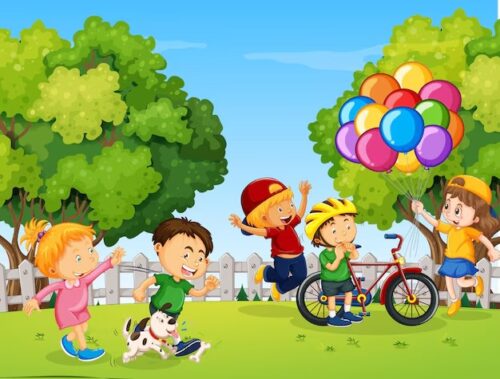
Lesson 9 – At the Park | English for Kids | Vocabulary + Dialogue + Reading
27.11.2025

English
For German Speakers: Why Topfen and Quark Sound Different to Natives
18.02.2026

English
German Language Lesson: Semmel vs Brötchen — A German-Language Lesson on Regional Vocabulary and Native Perception
10.02.2026