















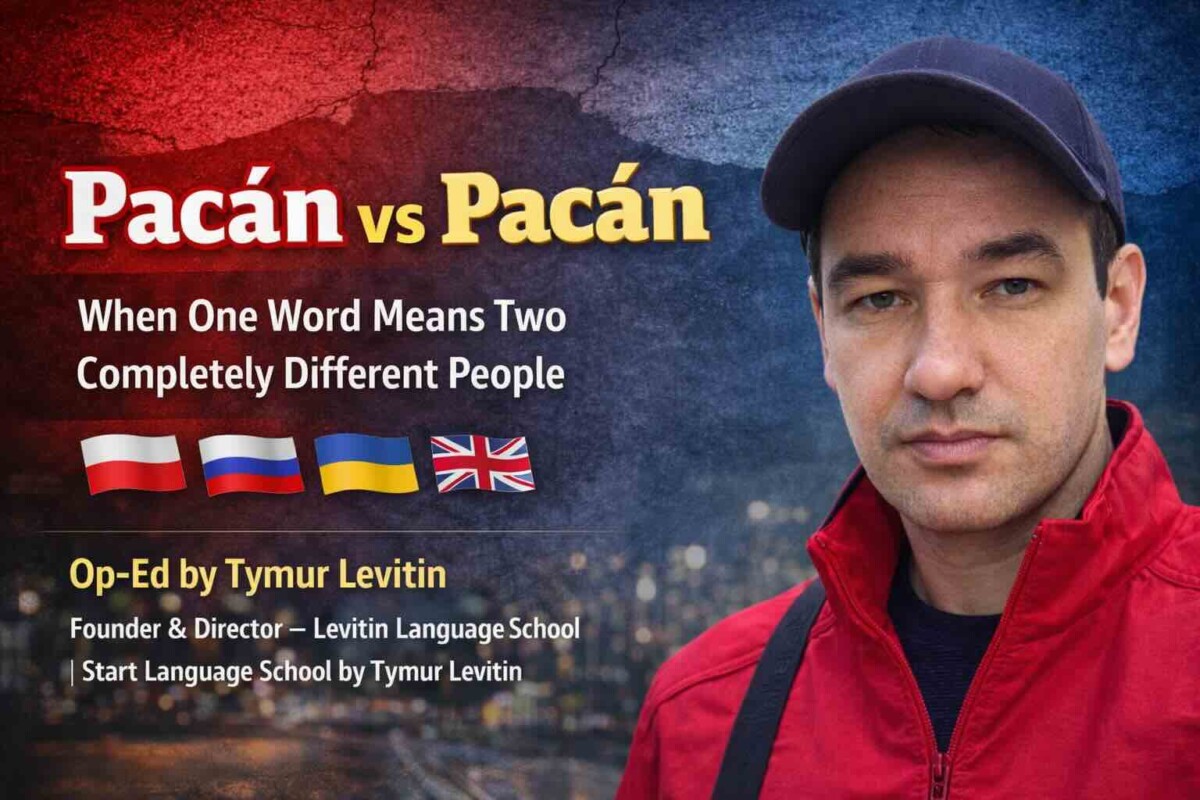
Pacan vs Patsan — How Slavic Words Shape Identity and Status
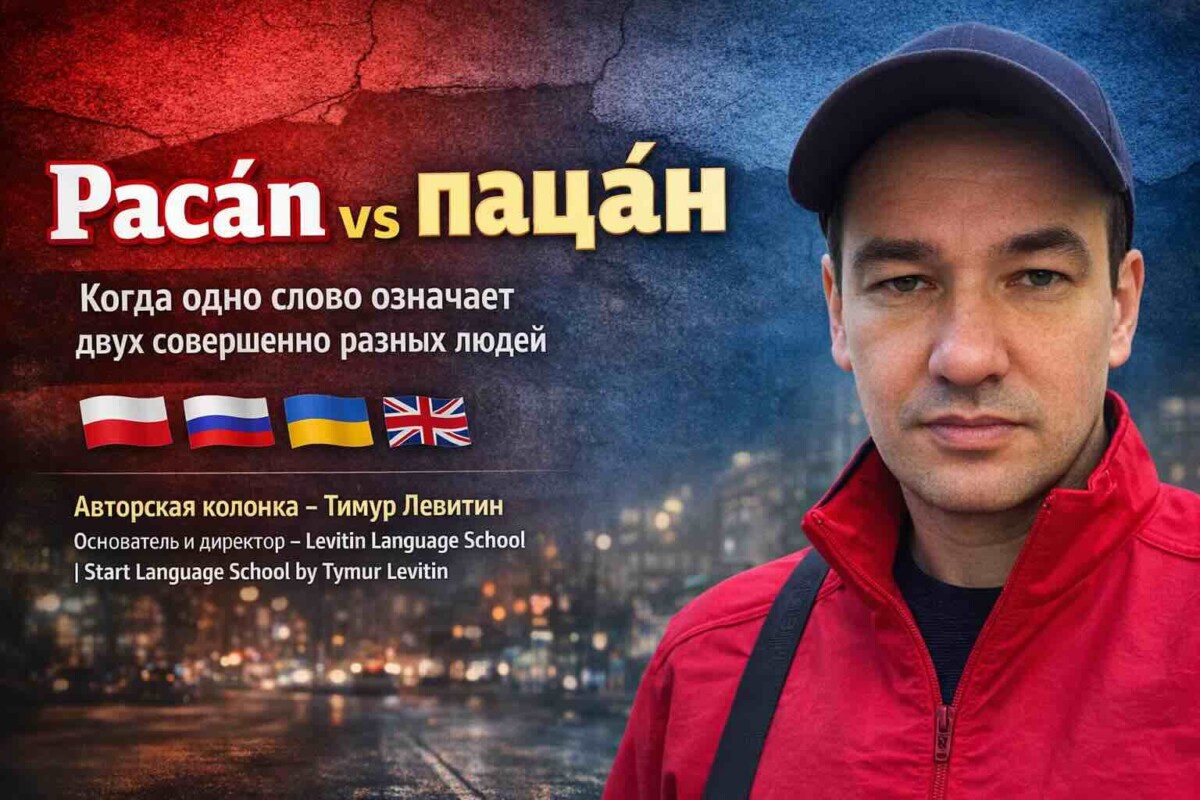
This video explains how one Slavic word can signal respect in one culture and insult in another. Learn how language creates identity and social power. 👉 […]

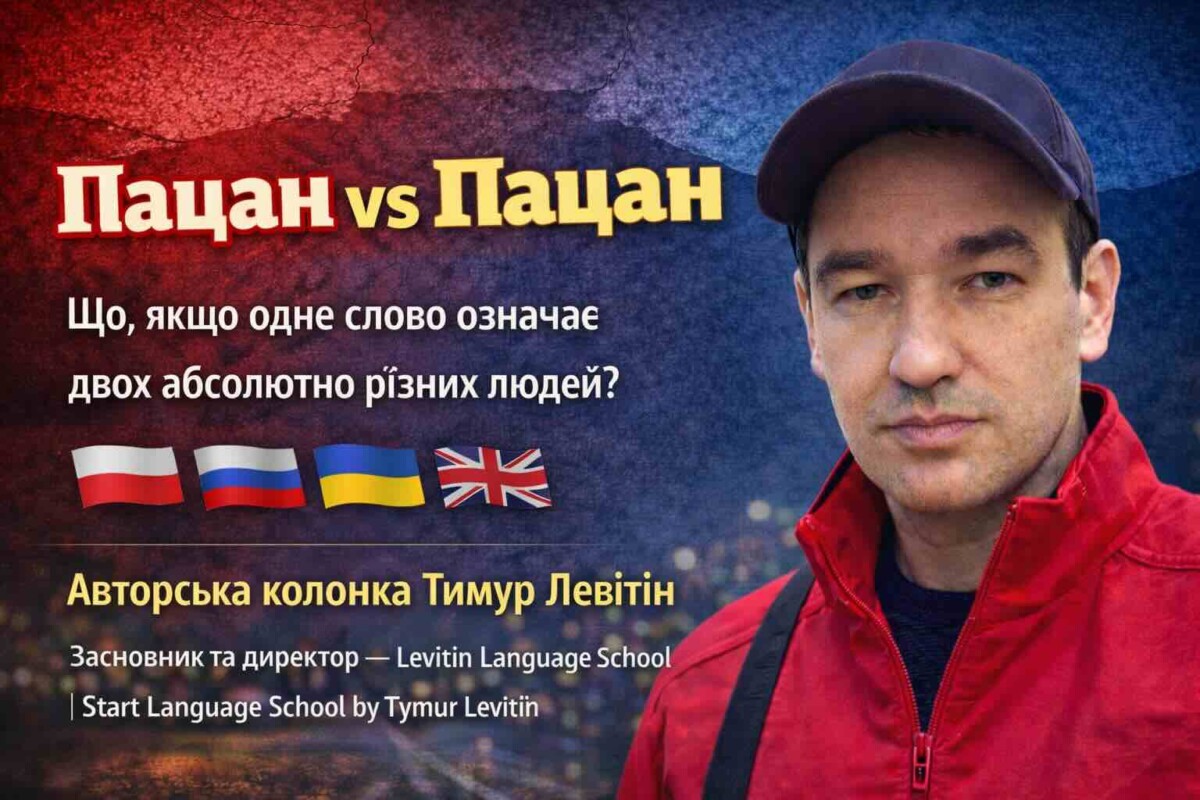
This lesson shows how the word patsan works differently in Ukrainian, Polish and Russian, and why misunderstanding it can lead to serious communication problems. 👉 Full […]
Tymur Levitin
•
06.02.2026
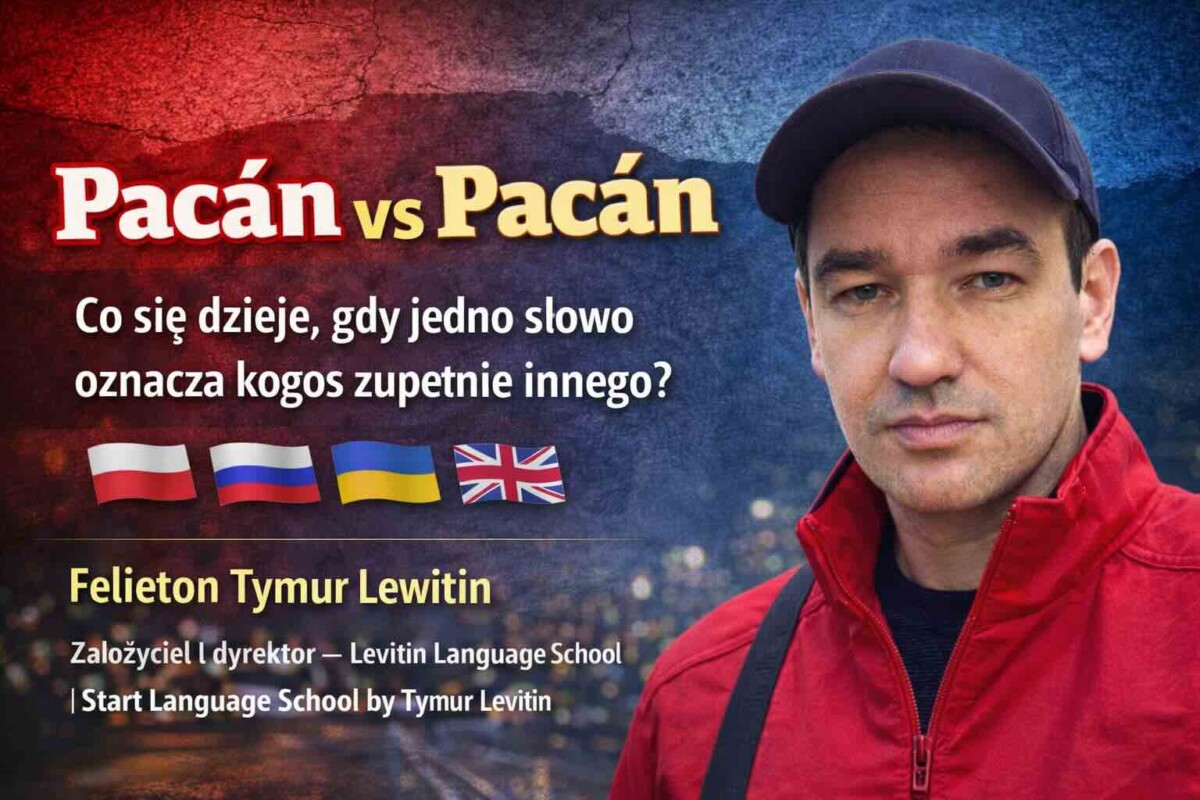
This video explains why the word patsan in Russian and pacan in Polish are not the same. You will learn how one sound can protect or […]
Tymur Levitin
•
06.02.2026
This lesson explores how the word pacan in Polish and patsan in Russian look identical but create completely different social meanings. You will learn how pronunciation, […]
Tymur Levitin
•
06.02.2026
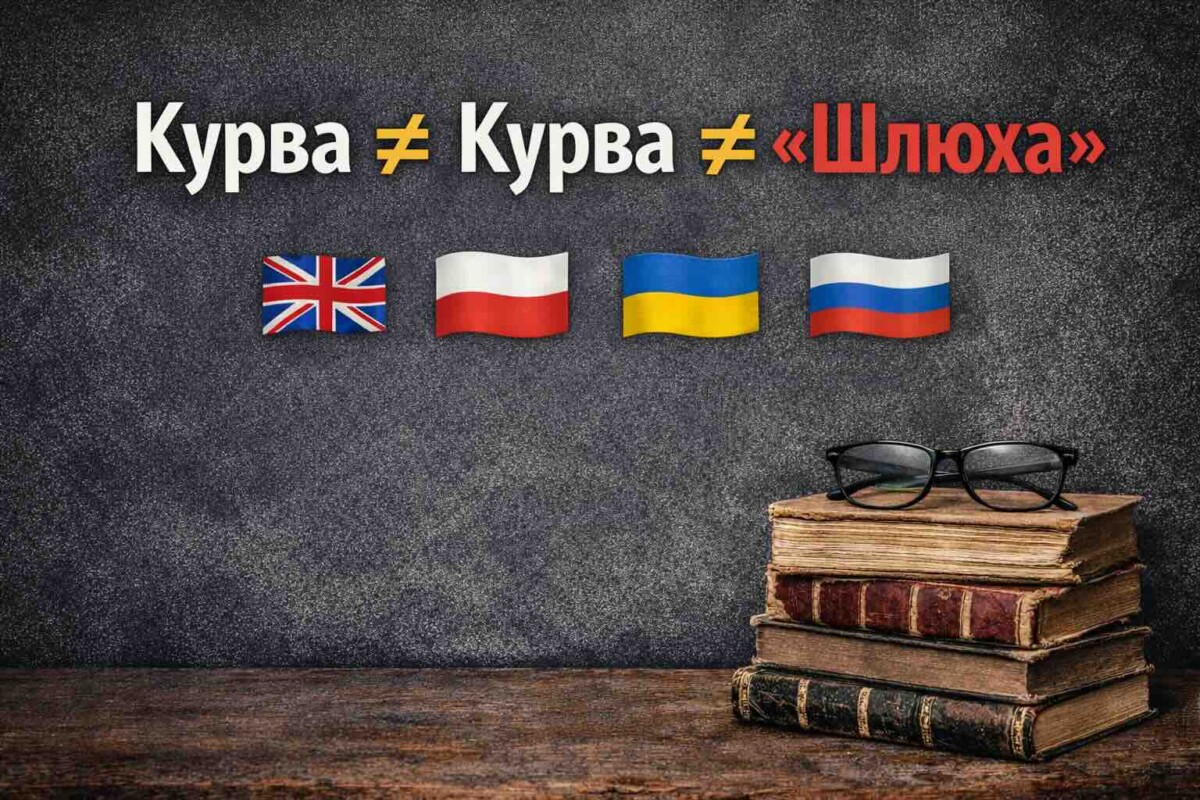
(For Russian-Speaking Learners & Translators) This lesson explains why translating kurva or kurwa word-for-word often creates false accusations, emotional distortion, and cultural conflict. Includes:✔ historical and […]
Tymur Levitin
•
08.01.2026
(For Ukrainian Learners & Language Awareness) In this lesson, we analyze how kurva functions in Ukrainian, Polish, and neighboring languages, and why identical words can carry […]
Tymur Levitin
•
08.01.2026
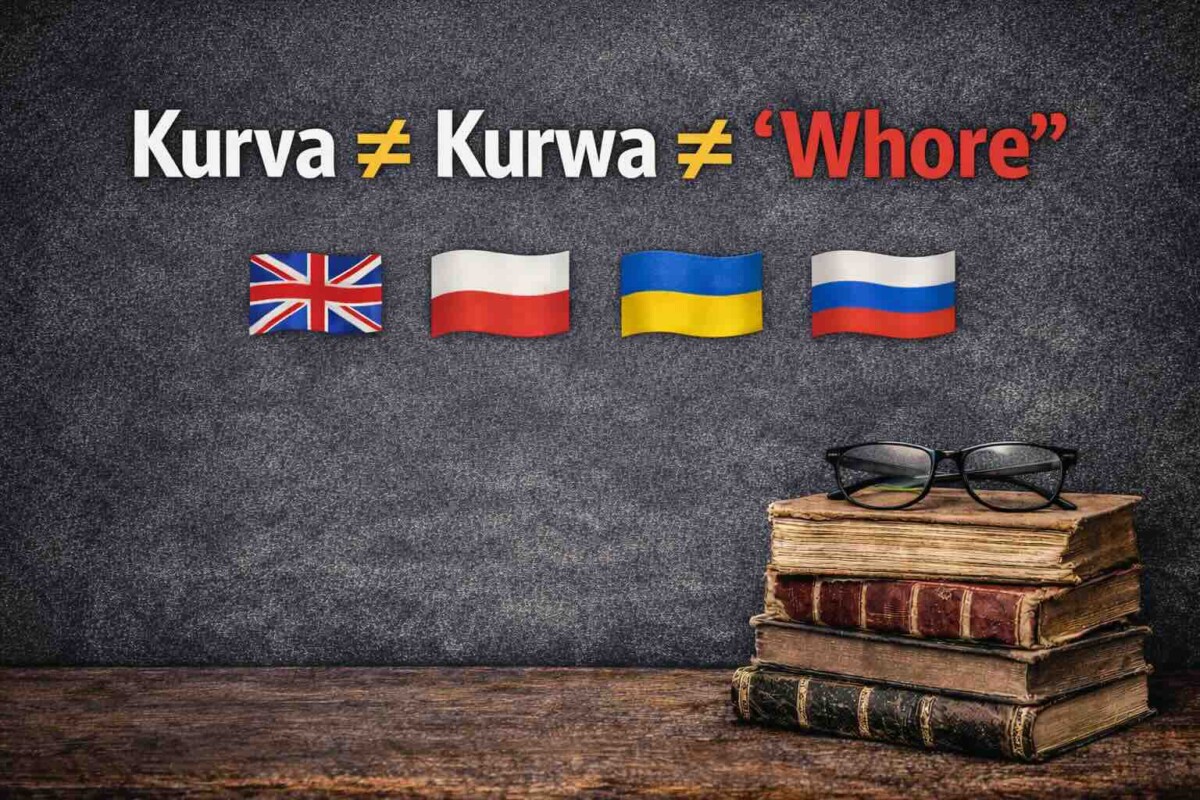
(For Polish Learners & Intercultural Communication) This lesson explains how the Polish word kurwa changes its function outside Polish and why translating it literally leads to […]
Tymur Levitin
•
08.01.2026
(For English Learners & Translators) In this video lesson, we explore why kurva and kurwa cannot be translated literally as “whore.” You’ll learn how the same […]
Tymur Levitin
•
08.01.2026