








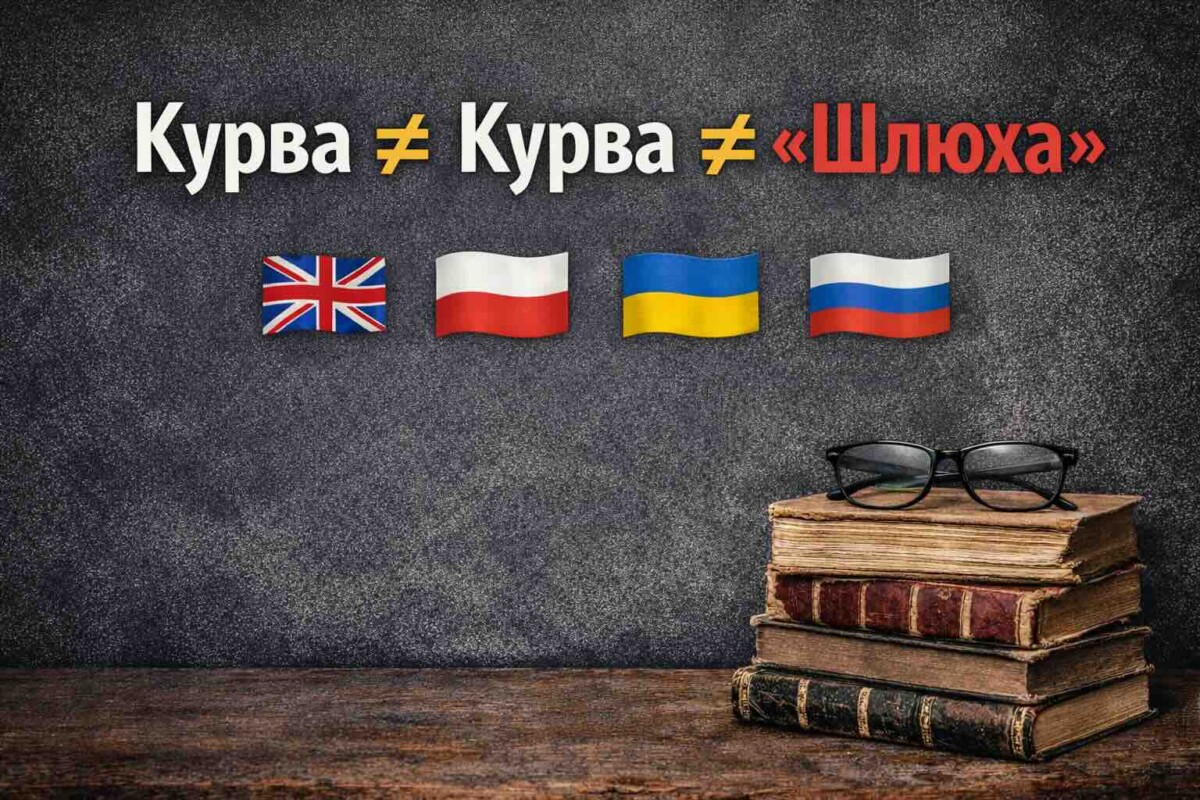
Kurva Across Languages — When the Same Word Means Different Things

(For Ukrainian Learners & Language Awareness)


In this lesson, we analyze how kurva functions in Ukrainian, Polish, and neighboring languages, and why identical words can carry very different social and emotional meanings.

Includes:
✔ regional and cultural usage
✔ why literal translation breaks meaning
✔ emotional vs nominative function
✔ comparison across Slavic and non-Slavic languages
✔ language safety and interpretation

Link note:
Full breakdown and cultural explanation — https://levitinlanguageschool.com/authors-column-tymur-levitin-on-language-meaning-and-respect/kurva-kurwa-%e2%89%a0-whore-how-a-word-changes-its-soul-across-languages/
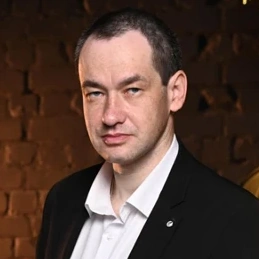
Tymur Levitin
Tymur Levitin
Teacher of the Department of Translation. Professional certified translator with experience in translating and teaching English and German. I teach people in 20 countries of the world. My principle in teaching and conducting lessons is to move away from memorizing rules from memory, and, instead, learn to understand the principles of the language and use them in the same way as talking and pronouncing sounds correctly by feeling, and not going over each one in your head all the rules, since there won’t be time for that in real speech. You always need to build on the situation and comfort.
View profile

Related Articles


    Learning Foreign Languages ​​Online
    Easy and Affordable!

      FORM FOR A FREE TRAINING CONSULTATION

      50% DISCOUNT ON THE FIRST LESSON

      Additional fields for specifying classes

      50% DISCOUNT ON THE FIRST LESSON